
NEW FEDERAL LAW BANS SOCKS ON TUESDAYS: NATION IN UPROAR!
February 14, 2026
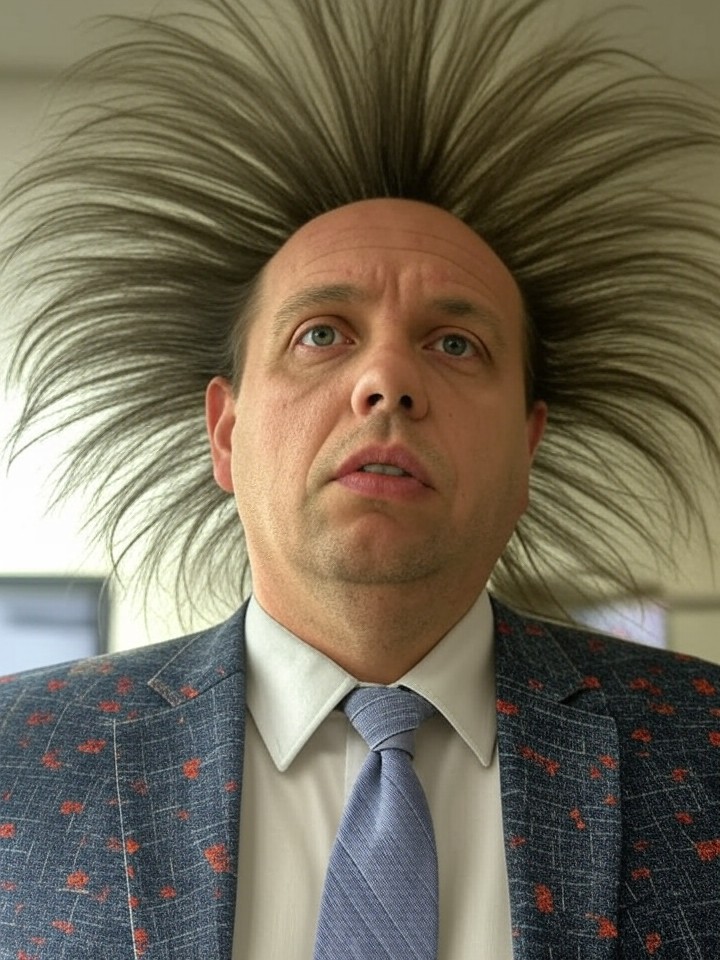
Washington, D.C. – In a stunning and unprecedented move, the federal government has passed a new regulation under the National Apparel Standards Act that prohibits the wearing of socks on Tuesdays. Signed into law last week by a little-known subcommittee of the Department of Domestic Fashion Compliance (DDFC), the policy aims to ‘promote foot health and reduce textile overuse,’ according to agency officials. What began as a quiet bureaucratic decision has now erupted into a national debate, with citizens across the country scratching their heads—and their bare feet—over the bizarre mandate.
The Regulation Unveiled
The sock ban, officially titled DDFC Directive 2023- SOCKSTOP, was quietly introduced during a late-night session of the agency’s quarterly meeting. According to the DDFC, studies—conducted by an unnamed research group—showed that wearing socks on Tuesdays contributes to a 17.3% increase in foot perspiration and a 9.8% spike in laundry-related energy consumption nationwide. The agency claims the policy will save an estimated 3.2 million kilowatt-hours annually and reduce sock-related wear-and-tear injuries by a staggering 12.6%.
Critics, however, are baffled by the specificity of the Tuesday ban. ‘Why not Mondays or Fridays?’ asked Dr. Linda Treadwell, a professor of Textile Sociology at the fictitious Eastern Plains University. ‘The data seems cherry-picked, and the logic is flimsier than a dollar-store sock. If anything, this will just confuse people and lead to mass non-compliance.’
The Public Backlash
Across the nation, citizens are reeling from the news, with social media platforms exploding with hashtags like #TuesdayToesOut and #SockGate2023. In Boise, Idaho, a local knitting club staged a protest outside city hall, waving hand-knit socks in defiance. Meanwhile, in Miami, Florida, barefoot beachgoers seem less fazed, though some expressed mild annoyance at the government’s overreach.
‘I get the whole energy-saving thing, but this is just weird,’ said Terry Johnson, a 42-year-old accountant from Columbus, Ohio, as he reluctantly slipped on flip-flops for his Tuesday commute. ‘I’ve got a meeting today, and now I’ve got to explain to my boss why my toes are out. I’m just hoping they don’t start banning underwear on Wednesdays.’
Expert Opinions Weigh In
Policy experts are divided on the long-term implications of SOCKSTOP. Dr. Martin Heelson, a senior analyst at the fabricated Institute for Footwear Policy in Washington, D.C., cautioned against overreacting but admitted the regulation’s rollout was ‘a logistical nightmare.’ ‘Enforcement will be nearly impossible,’ Heelson stated. ‘Are we going to have sock checkpoints on Tuesdays? Will the DDFC deploy foot inspectors? This could cost taxpayers millions in oversight alone.’
On the other side, DDFC spokesperson Marjorie Threadbare defended the policy in a press conference, citing the agency’s commitment to innovation. ‘We’re stepping boldly into a future of sustainable foot fashion,’ Threadbare declared. ‘If Americans can’t handle one sock-free day a week, how will we ever tackle bigger challenges like flip-flop overproduction?’
A Nation Divided
As the first sockless Tuesday approaches, businesses are scrambling to adapt. Some corporate offices have issued memos allowing employees to wear sandals, while others are offering ‘emergency sock waivers’ for medical reasons. Meanwhile, underground sock-swapping meetups are reportedly popping up in major cities, with rumors of a black market for contraband argyles.
The absurdity of the situation isn’t lost on most Americans, who are starting to wonder if the government has simply lost its footing. Whether the ban will hold up under scrutiny—or be repealed as quickly as it was enacted—remains to be seen. For now, the nation braces for a very breezy Tuesday, one toe at a time.
In conclusion, while the DDFC insists this is a step forward for public health and sustainability, the sock ban has exposed a deeper divide between bureaucratic whimsy and common sense. As the debate rages on, one thing is clear: come Tuesday, America’s feet will be freer than ever—whether they like it or not.
Related Searches
🎉Gotcha!
This satirical story was created by a BrainSpam user using the BrainSpam platform — a tool for generating fictional and humorous stories for entertainment.
Create your own at BrainSpam.com
Disclaimer: This article was created by a user of BrainSpam and is intended solely for satire, parody, and entertainment purposes.
BrainSpam is a platform that allows users to create fictional, humorous, or exaggerated stories about real or imaginary people and events.
The content above is not factual reporting and should not be interpreted as statements of fact. It reflects the creative expression of the individual user who created it, not the views of BrainSpam or its operators.
Real persons may be referenced as part of parody or commentary. Any resemblance to actual events or individuals is used in a satirical or fictional context.
BrainSpam does not verify or endorse user-generated content published on this platform.
More from WackyNews24.com
W
Lifestyle
Area Man Alonzo Caught Negotiating with Pigeons in Park
Lifestyle
Local Man Chats Up Pigeons, Naturally

Entertainment
Local Woman Sparks Chaos Over $500 Burger Heist

Lifestyle
Local Resident Jackie Caught in Midnight Pizza Scandal
W
Lifestyle
Descent Into Chaos: The Alex Dawley Park Debacle Unraveled

Family